
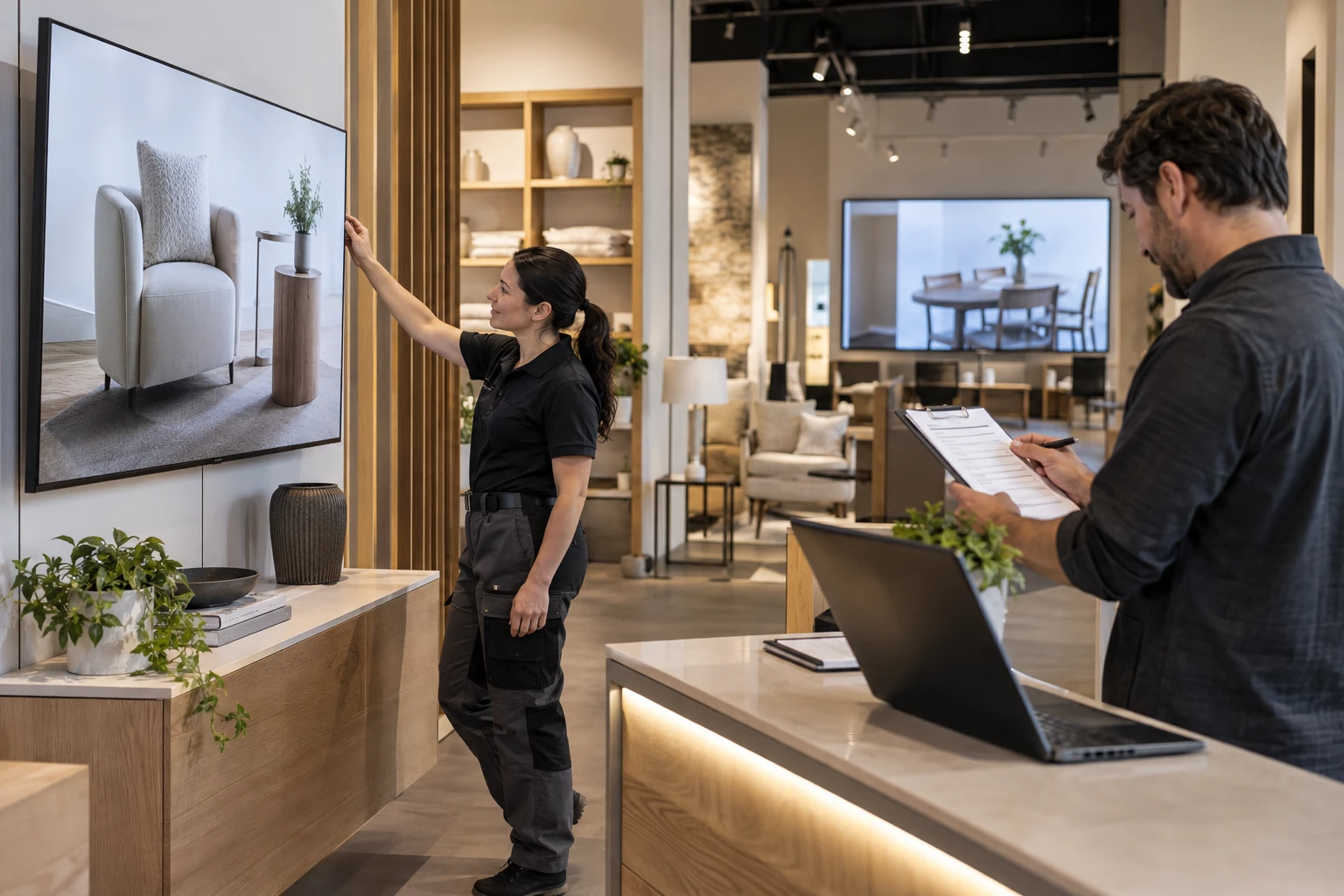
Commercial AV has a built-in revenue challenge: win the project, complete the installation, invoice the customer and find the next project. Digital signage gives AV installers another option.
By adding cloud signage software, remote administration, support and related services, an AV company can create revenue that continues after the physical project is complete. The objective is not to replace installation revenue. It is to make each installed customer worth more over time.
The Problem With Relying Only on Project Revenue
Project businesses constantly need another project. Construction schedules move, purchasing decisions are delayed, labor has limits and hardware margins can be pressured. Recurring services build a base of customers paying for services attached to systems already deployed.
Look Beyond the Hardware Sale
The customer does not actually want a display; it wants the display to do something. If the installer stops at hardware, someone else may provide the system controlling the screen. Digital signage lets the integrator provide both the physical installation and the platform the customer continues using.
The Installed Screen Can Become a Recurring-Revenue Endpoint
Think about active screens, not only completed projects. Ten customers with 15 screens each represent 150 active endpoints. Fifty customers with 20 screens each represent 1,000. Not every display fits signage, but the installed base can become part of an active service relationship.
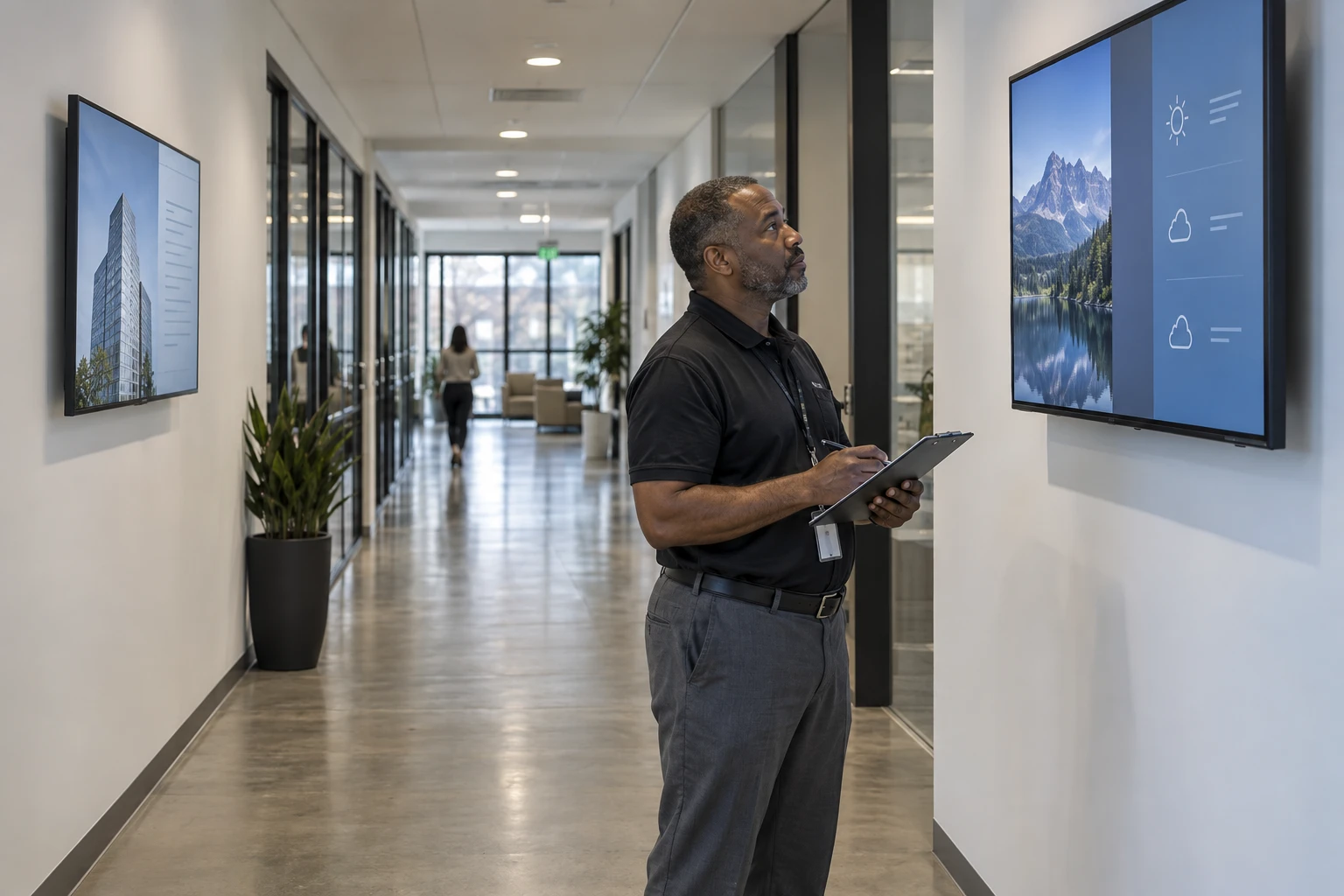
Four Ways Digital Signage Can Create Recurring Revenue
- Software: ongoing access to the signage platform.
- Technical Support: account help, troubleshooting and configuration.
- Managed Signage: user administration, screen additions, scheduling and remote management.
- Content Services: direct creative services or a partner relationship.
Compare the broader options for managed service scope.
One Installation Can Produce Several Types of Revenue
Initial revenue can include displays, players, mounts, cabling, network equipment, installation, configuration and training. Ongoing revenue can include software, support, remote administration, managed services and content. Future project revenue can include additional screens, replacement displays, new locations and network upgrades.
A Recurring-Revenue Example
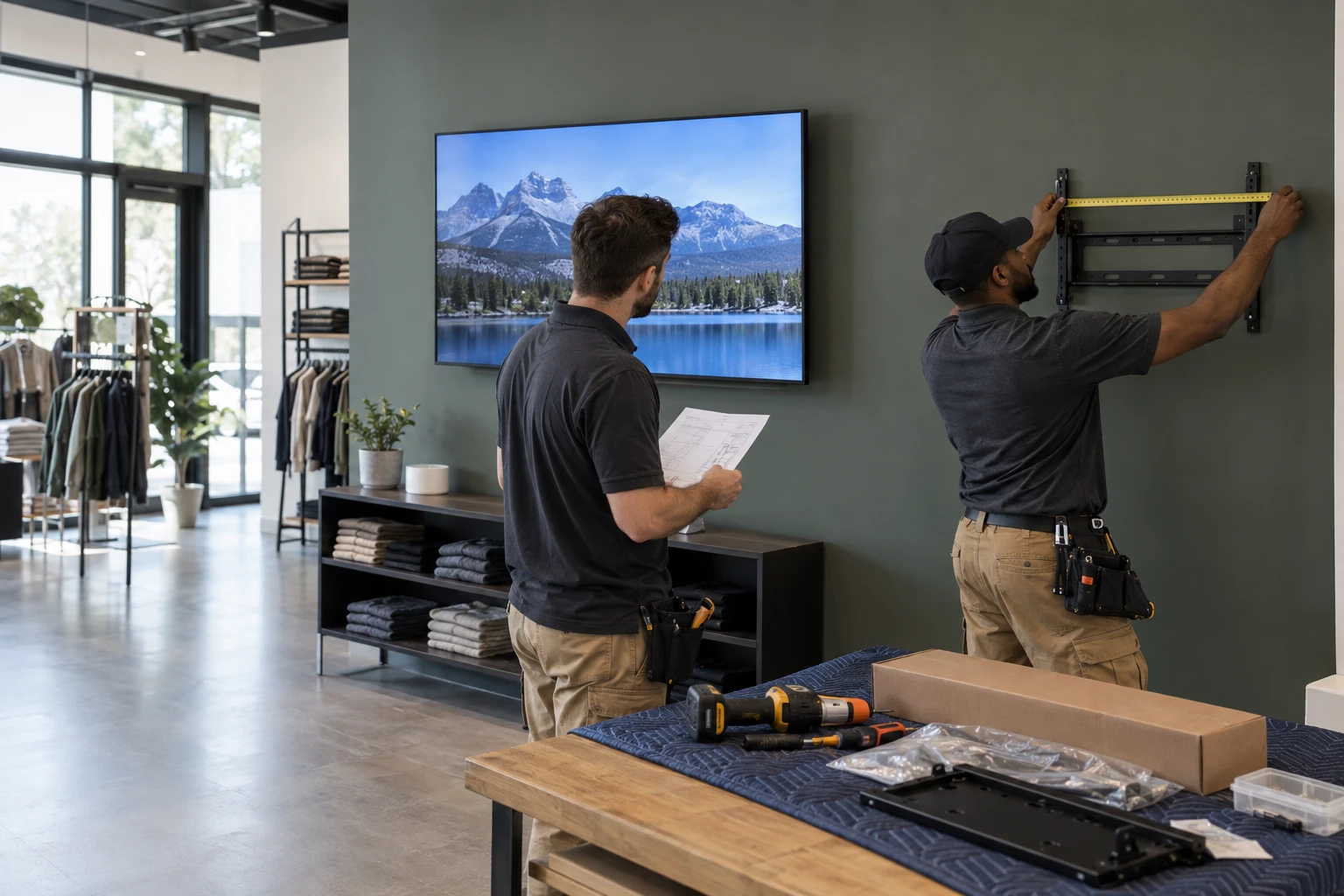
A 10-location retail deployment with four screens per location creates 40 active screens. The initial project generates hardware and installation revenue. The ongoing package creates software and support revenue. Three new locations a year later create 12 more screens, more installation work and a larger recurring base.
Build Recurring Services Into the Proposal
Present the complete operating system from the beginning: display system + installation + software + ongoing support, rather than asking about ongoing service only after installation.
For the practical process, plan the content and support handoff.
Package the Service So Salespeople Can Explain It
Create repeatable packages such as Signage Platform, Signage + Support and Managed Signage.
For the channel perspective, see reseller service packages.
Price the Outcome, Not Only the Software Cost
The customer may be buying platform selection, design, hardware compatibility, configuration, deployment, user setup, training, technical knowledge, support and administration. Price the service being delivered, not only a small markup on software.
Use the Installed Customer Base as a Sales List
Review completed lobby, retail, menu, corporate, break-room, video-wall, waiting-room and information-display projects. If customers use USB drives, dedicated PCs, static content or manual updates, there may be a modernization opportunity.

Recurring Services Create More Customer Touchpoints
An active signage service creates more frequent interaction and can surface new users, departments, screens, offices and future AV projects.
Standardization Makes the Model Easier to Scale
Create preferred standards for media players, display configurations, network requirements, account setup, user roles, installation procedures and support processes.
Hardware Flexibility Still Matters
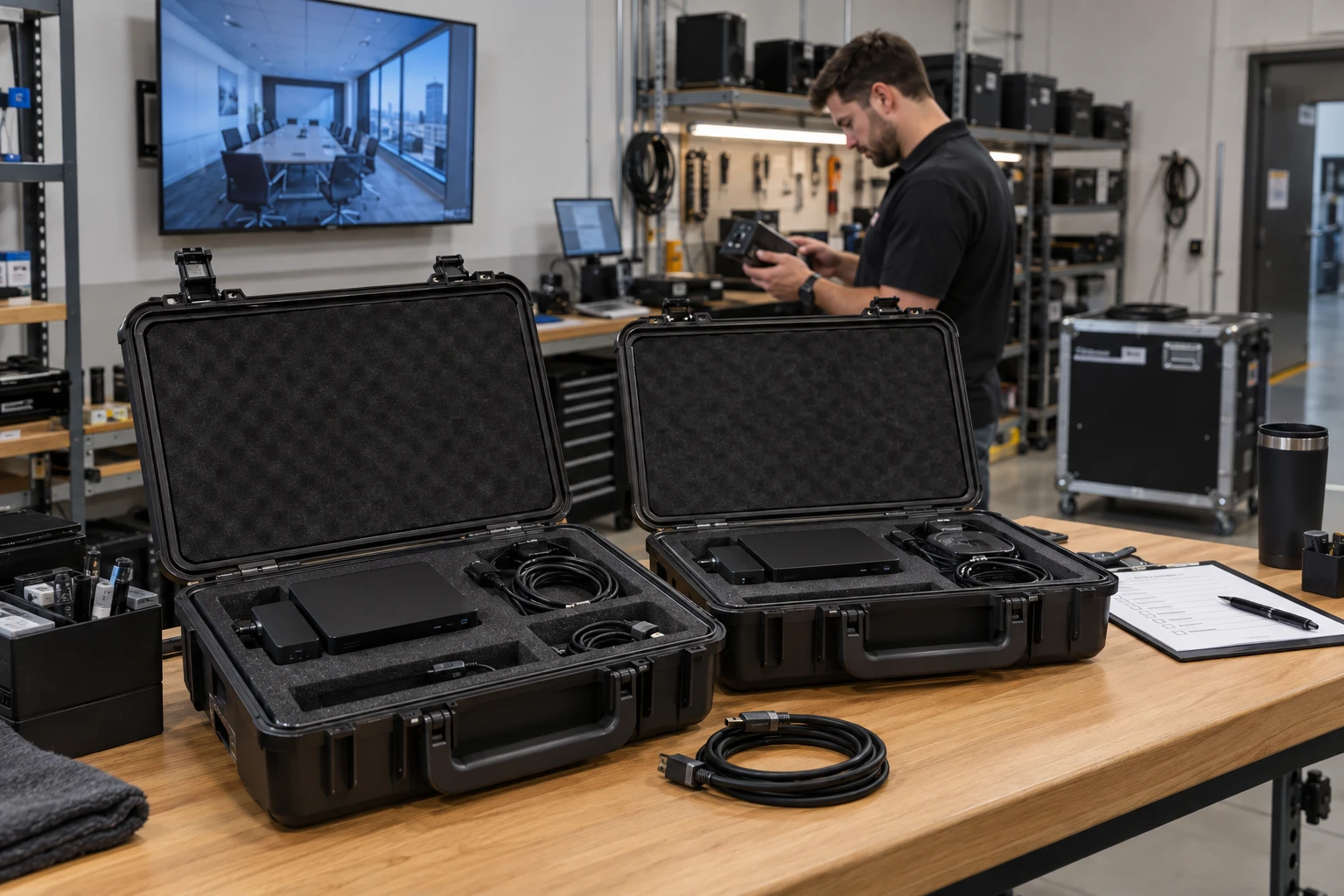
Zoney supports Android, Windows, Linux, Raspberry Pi, WebOS, Tizen, Apple TV and Amazon Digital Signage Stick. Confirm the actual hardware models and versions with Zoney before deployment.
The Platform Needs to Work for the Integrator, Not Only the Customer
Evaluate multi-customer management, separation, permissions, administrative access, remote management, hardware flexibility, growth, billing and service packaging.
Measure More Than Project Backlog
Track active signage customers, active screens, recurring signage revenue, average recurring revenue per customer, screens added, customer expansion, cancellations and revenue attached to the installed base.
Use recurring revenue comparisons when comparing service models.
Where Zoney Fits Into the Recurring-Revenue Model
Zoney Enterprise Solutions gives AV installers a signage platform they can incorporate into their own service offerings. Granular user controls, security tokens, dynamic monthly billing, flexible hardware and AWS-hosted cloud infrastructure support partner-led deployments.
Make the Installation the Beginning of the Relationship
New installations generate project revenue. Existing installations can generate service revenue while customers retain the service; delivery costs and cancellations affect the result. Customer expansions can generate both.