
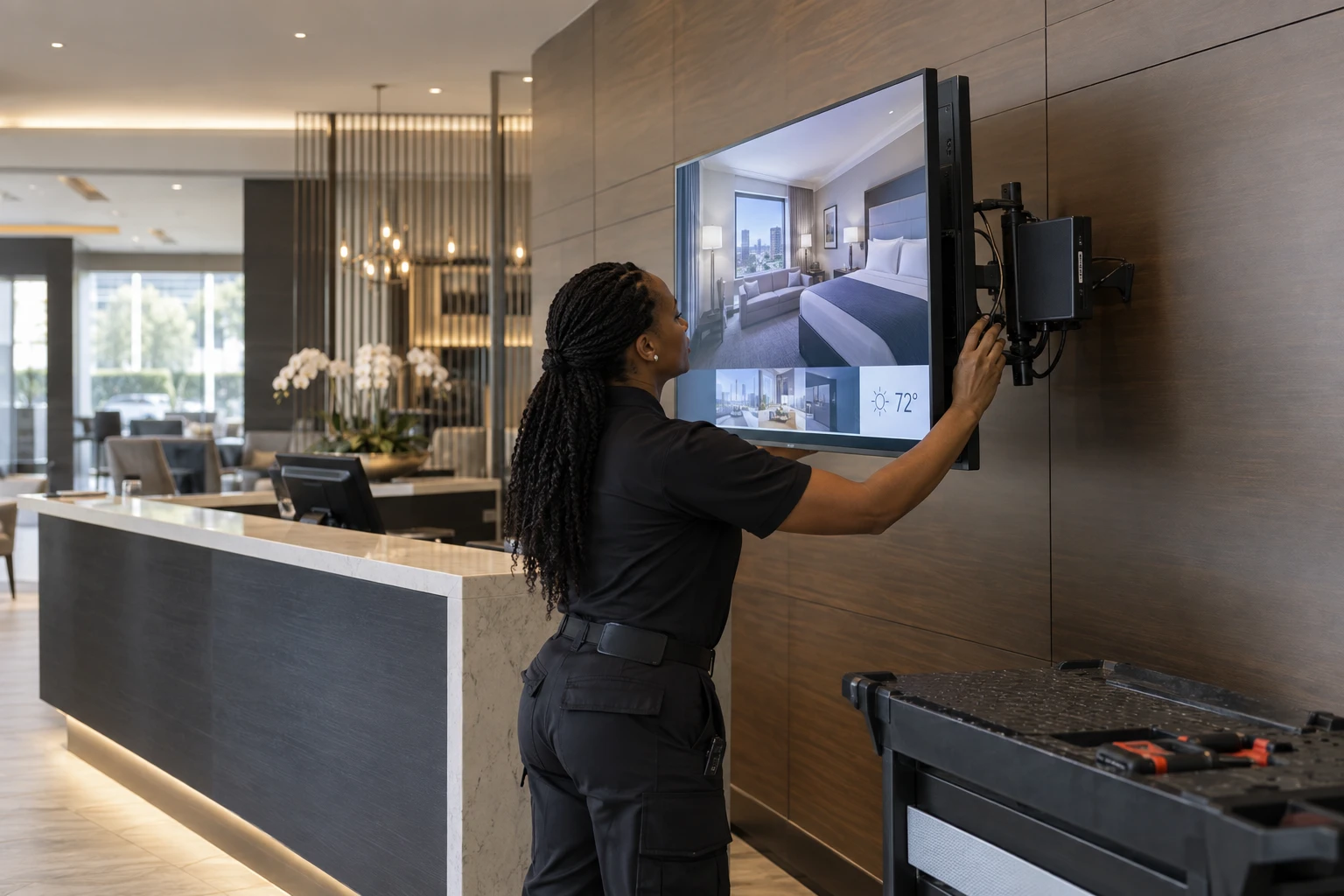
AV integrators already install many of the components required for a digital signage network: commercial displays, mounts, media hardware, cabling, networks, video distribution, conference-room technology, audio systems and control systems.
The missing piece is often the software and ongoing service model that turns those components into a digital signage solution.
That creates an opportunity for AV companies. Instead of completing an installation and waiting for the customer's next project, an integrator can provide a digital signage platform that the customer continues using after installation. Software management, screen administration, content support and network expansion can create an ongoing relationship with the same customer.
For an AV integrator, adding digital signage does not necessarily mean entering an entirely new business. It can mean adding another layer to the business you already have.
Why Digital Signage Fits the AV Integration Business
AV integrators typically enter a project because a business needs technology installed in a physical location. Digital signage starts from much the same place.
A customer may need screens in corporate offices, retail stores, restaurants, healthcare facilities, schools, fitness centers, hotels, manufacturing facilities, entertainment venues or multi-location businesses.
An AV company may already be supplying displays, mounting systems, cabling, networking or related equipment. Adding digital signage software gives those screens an ongoing purpose.
A display installed in a corporate lobby can become a company communications screen. Retail displays can promote products and offers. Restaurant screens can become digital menu boards. Manufacturing screens can display safety information, production metrics and employee communications.
The AV integrator moves from installing the screen to helping provide the system running on it. That changes the economics of the customer relationship.
Moving Beyond Project-Based AV Revenue
A traditional AV installation can produce substantial revenue, but much of that revenue is tied to a project. The customer purchases equipment, your team installs it and the project is completed.
Digital signage creates another model. The integrator can potentially generate revenue from digital signage software, screen licenses, managed signage services, content management, remote administration, technical support, hardware, installation, network expansion and additional locations.
The original installation still produces project revenue. The signage service can continue after the installers leave.
Consider an AV integrator working with a regional business opening five new locations. Each location requires four commercial displays. The AV company may already earn revenue from 20 displays, mounting hardware, media players, cabling and installation. Without a signage offering, another vendor may provide the software running those screens. With a signage offering, the AV company can provide both sides of the project.
The customer gets one technology partner. The integrator gains another source of revenue and another reason to remain involved with the account.
A related guide covers recurring revenue for AV installers.

You Do Not Need to Build a Digital Signage Platform
Providing digital signage does not require developing a content management system.
Building software introduces a different operating model involving development, hosting, security, updates, device compatibility, user management and ongoing technical maintenance.
Most AV integrators do not need to become software developers. A better model is often to partner with an established digital signage platform and build services around it.
The integrator can lead the customer relationship under the agreed partner and customer terms. The software provider supplies the platform. That allows the AV company to focus on designing systems, selecting hardware, installing technology and supporting customers.
What an AV Integrator Needs From Digital Signage Software
Not every signage platform is designed for integrators. An AV company may be managing multiple customers, locations, users and hardware configurations.
Multi-customer management matters because unrelated customer accounts, screens and content need to remain organized and separate.
User permissions matter because a marketing employee may need to update content without receiving administrative access to the entire network.
Remote screen management matters because driving to a customer location every time something changes defeats much of the value of a managed signage service.
Flexible hardware support matters because AV companies often have established hardware preferences and customers may already own compatible equipment. Zoney supports multiple platforms, including Android, Windows, Linux, Raspberry Pi, WebOS, Tizen, Apple TV and Amazon Digital Signage Stick.
Content and layout flexibility also matters. Commercial signage projects can involve videos, images, web content, menus, social feeds, data, multiple content zones, scheduled campaigns and different content by location.

Digital Signage Can Increase the Value of Existing AV Projects
One of the strongest opportunities is reviewing what existing customers already have.
An integrator may have installed dozens or hundreds of displays being used for limited purposes. Some may show static content, depend on USB drives, display the same material for months or sit unused because updating them became inconvenient.
Those displays represent potential signage endpoints.
An integrator can return to the customer with a new conversation: What if these screens could be managed remotely?
That question can lead to projects involving software deployment, media players, content configuration, additional displays and managed services.
Digital Signage Creates Natural Managed-Service Opportunities
Selling software alone is one option. Managing the signage system for the customer is another.
Many businesses want digital signage but do not want another technology platform to administer internally. An AV integrator can fill that gap.
A managed signage package could include software licensing, remote administration, technical support, device management and basic content assistance. One client may want complete control of its own content; another may want the integrator to manage nearly everything.
Start With Customers You Already Serve
The existing customer base can be the first sales channel.
Identify customers that already have commercial displays or regularly purchase AV equipment. Look for locations where information changes frequently: retail promotions, restaurant menus, corporate announcements, healthcare communications, manufacturing safety information and school schedules.
The sales conversation becomes easier because the integrator already understands the customer's environment.

Build Digital Signage Into New AV Proposals
When a project includes commercial displays, ask how the customer plans to manage what appears on them.
If the answer involves USB drives, manually connected computers or an undefined future solution, there may be an opportunity to include signage software in the proposal.
Instead of treating the display as the final component, treat content management as part of the system. The proposal can then include hardware, installation, software and ongoing support.
Choose a Pricing Model That Supports Recurring Revenue
AV integrators can package digital signage in several ways.
Software Only can provide platform access with customer-managed content.
Managed Signage can combine software with remote administration and support.
Full-Service Signage can combine software, hardware, installation, administration and ongoing content services.
The exact structure matters less than establishing a repeatable model with an ongoing revenue component.
Hardware Can Remain Part of the Opportunity
Adding digital signage software does not mean abandoning hardware revenue. A new deployment may require commercial displays, media players, mounting equipment, network upgrades, cabling, video distribution equipment and installation labor.
As the signage network expands, additional locations can generate additional hardware and installation projects. Software can become the recurring layer that keeps the integrator connected to those future opportunities.
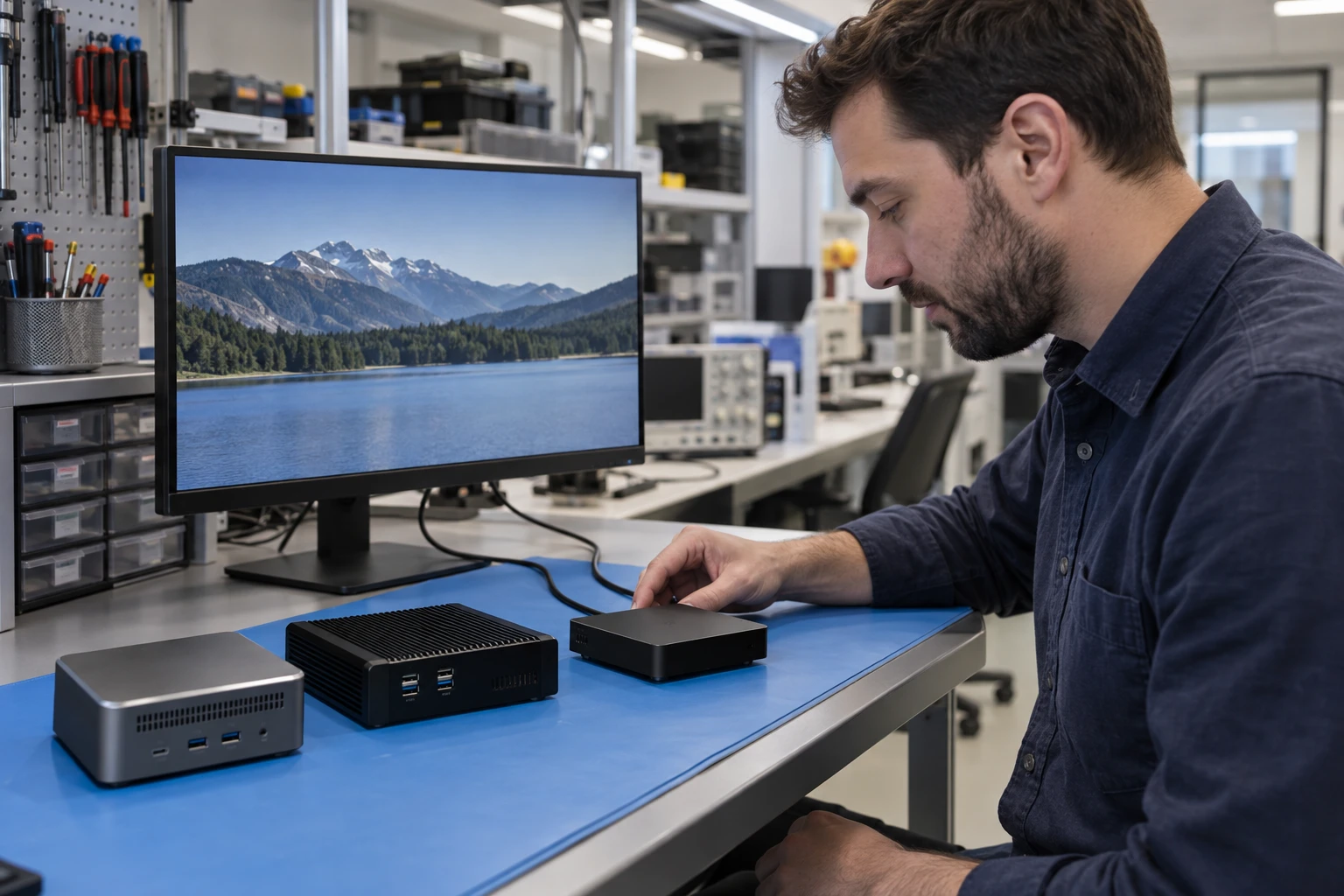
Why Hardware-Agnostic Signage Matters to AV Integrators
An AV company should be able to design around the customer rather than arbitrary software limitations.
A customer may already own screens. An enterprise may have approved hardware standards. Another project may require a specific operating system or media-player form factor.
Zoney is designed to support that model. Integrators can evaluate existing compatible hardware for a project; confirm the actual models and versions with Zoney.
Digital Signage Can Strengthen the Customer Relationship
Recurring revenue is only part of the value. Digital signage also creates recurring interaction.
A customer relying on an AV company for an active signage network has an ongoing technology relationship. New locations, lobby renovations, internal communications programs and retail expansion can all create additional signage and AV opportunities.
How to Start Offering Digital Signage
- Select the software platform.
- Define your hardware approach.
- Build two or three service packages.
- Identify existing customers with screens.
- Add signage questions to AV discovery calls.
- Deploy a small initial project.
- Build recurring service into future proposals.
What to Look for in a Digital Signage Partner
Ask whether the platform supports multiple customers, separated customer access, permissions, flexible hardware, existing hardware, partner billing, screen growth, managed services and partner support.
The right platform should make it easier for the AV company to build a signage business around existing customer relationships.
Review how to select a digital signage partner.
Where Zoney Fits for AV Integrators
Zoney provides a digital signage platform for businesses that want to deploy and manage signage without developing their own software.
Zoney Enterprise Solutions includes granular user controls, security tokens, dynamic monthly billing and flexible hardware support. The platform runs on AWS-hosted cloud infrastructure and supports a range of media-player environments.
The AV integrator can lead the customer relationship while Zoney provides the technology behind the signage network; confirm account rights in the agreement.
For the platform-specific discussion, see Zoney for AV integrators.
Turn the Next AV Installation Into an Ongoing Service
Digital signage gives AV integrators a way to connect project revenue with recurring services.
You may already have the customer. You may already be selling the displays. You may already be installing the network.
Adding the software layer means you can provide more of the finished solution and remain involved after installation.
Interested in adding digital signage to your AV services?
Zoney works with integrators and technology partners that want to provide digital signage to their existing and future customers.