
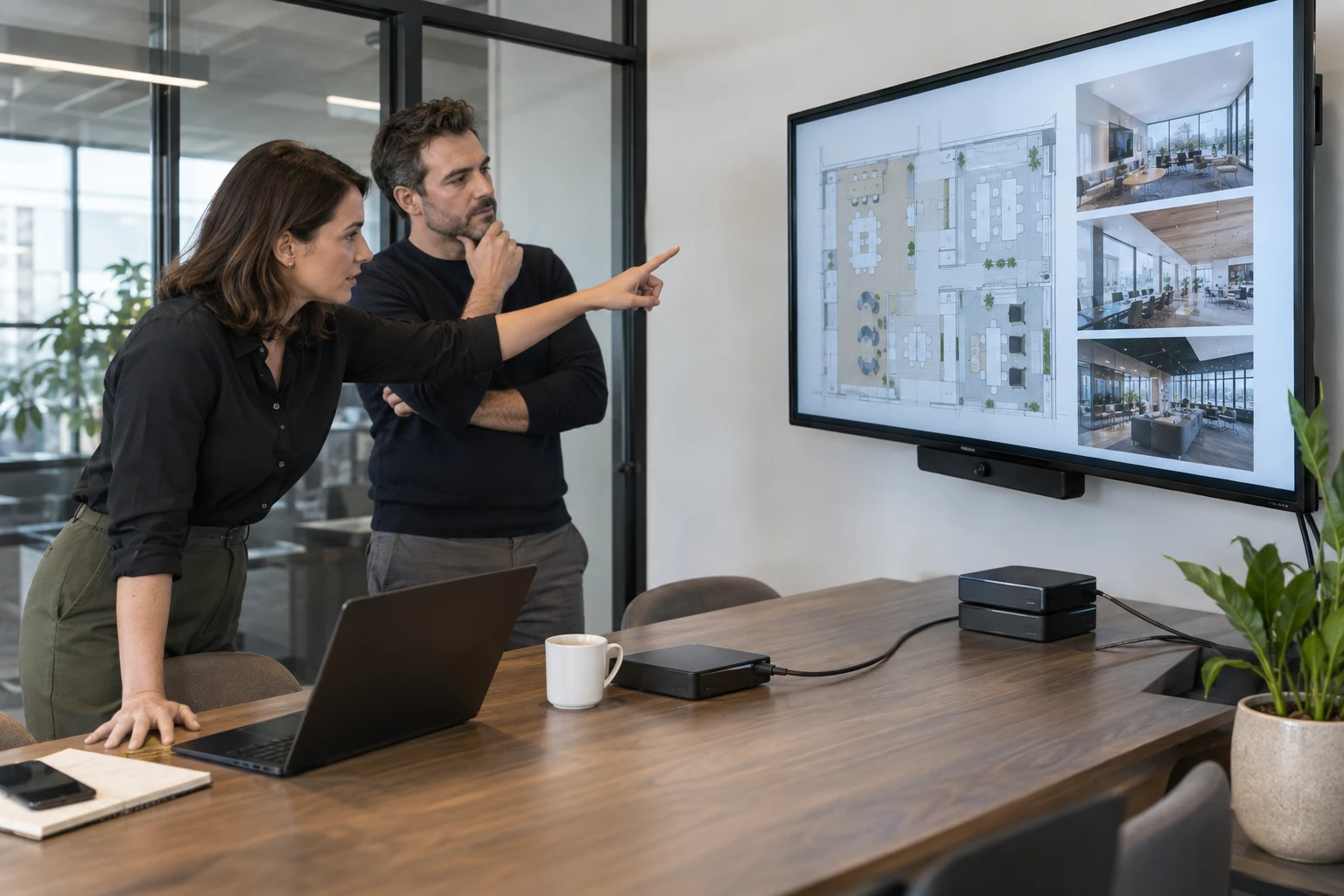
Building a digital signage platform means owning more than the visible CMS. Before assigning a development team, compare the engineering, player support and ongoing operating work with what your business needs to own.
What Are You Actually Building?
A commercial signage platform is more than an upload page. It can include user and customer accounts, locations, screens, players, media, playlists, schedules, layouts, applications, device registration, caching, offline playback, status communication, permissions, storage, bandwidth, updates, support tools, and billing workflows.
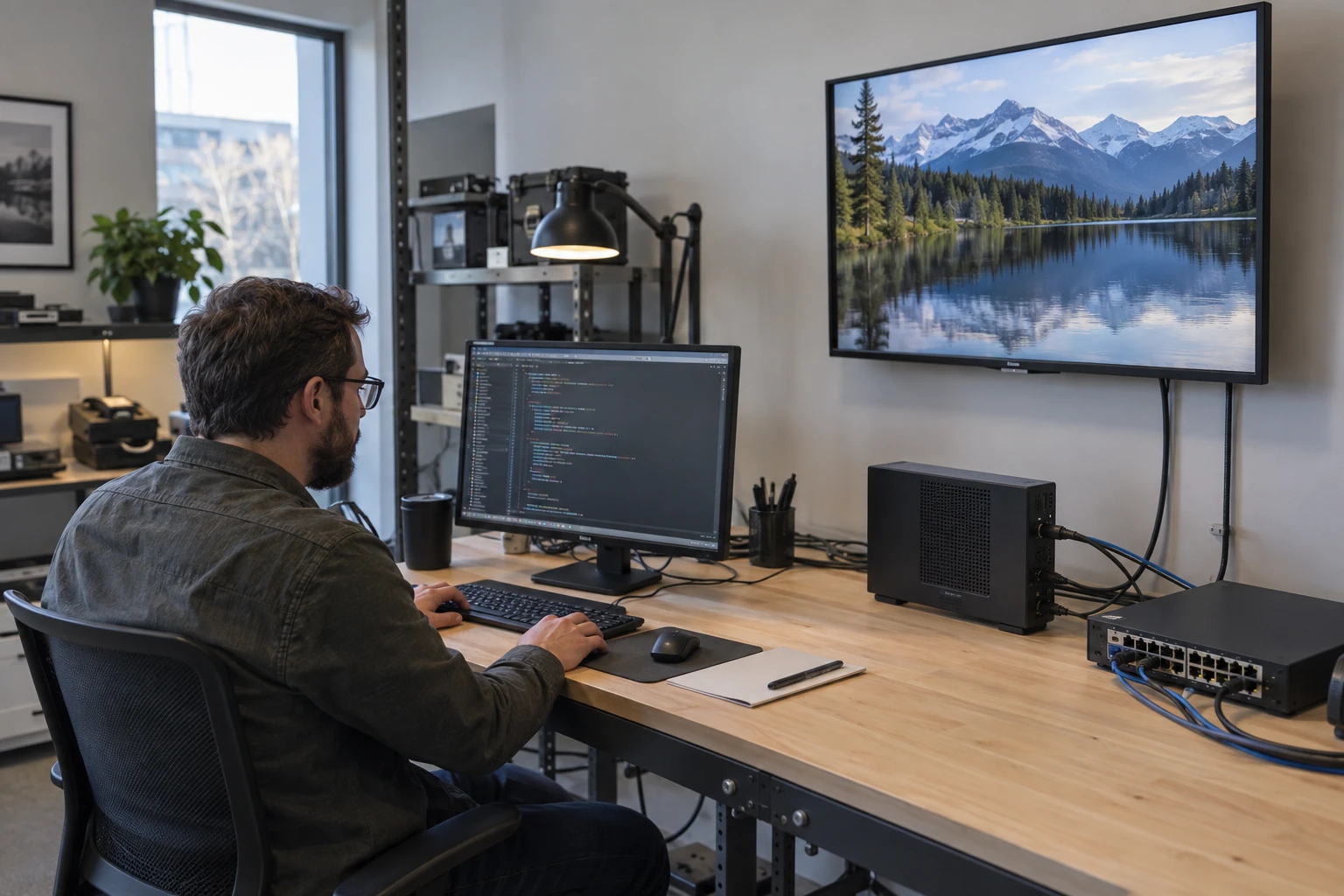
The CMS Is Only the Visible Layer
A simple user action can trigger customer ownership checks, permissions, scheduling, screen assignments, content distribution, player storage, offline behavior, and status tracking. The interface is only one part of the engineering work.
Review the CMS architecture before estimating development work.
Player Software and Hardware Support
The cloud platform needs player software that authenticates devices, downloads content, stores files, follows schedules, renders media, recovers after reboots, and reports status. Supporting Android, Windows, Linux, Raspberry Pi, or system-on-chip environments expands the testing and maintenance workload.
Cloud Infrastructure
Building the platform also means operating application hosting, databases, media storage, backups, logging, monitoring, networking, deployment systems, and development environments as usage grows.
Multi-Customer Architecture and Permissions
A reseller needs Provider to Customer to Location to Screen structure plus granular access for employees, customers, regional managers, local managers, and agencies. Permissions affect the interface, database, APIs, security, and testing.
Security Becomes an Ongoing Product Responsibility
Authentication, authorization, customer separation, device authorization, dependencies, player configuration, cloud infrastructure, employee access, and offboarding require ongoing work.
Development Does Not Stop at Launch
Customers will request new applications, integrations, layouts, permissions, media formats, reports, player support, and administrative tools. Existing features also need maintenance as operating systems, browsers, APIs, and hardware change.
Testing and Support Expand With the Product
Every change creates more scenarios across players, schedules, time zones, offline states, media formats, and existing customer configurations. When the software is yours, defects in the platform code are also yours to diagnose and repair.

Calculate Full Ownership Cost
Compare initial development plus ongoing engineering, infrastructure, testing, security work, monitoring, support tooling, device compatibility, maintenance, future features, and opportunity cost. The cost of version one is not the cost of owning the software.
Time to Market
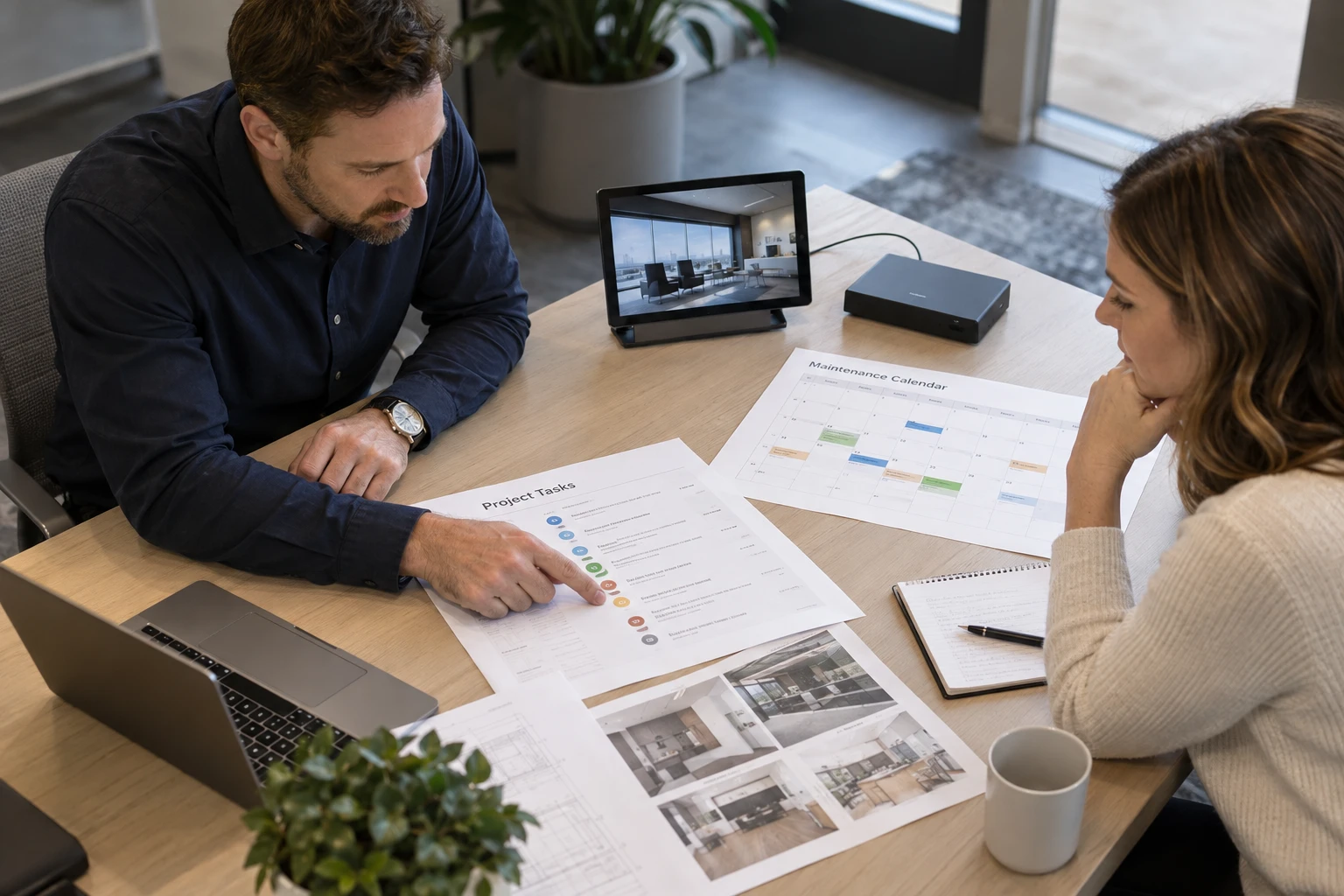
A company building software may spend months before selling a usable platform. A company adopting an established platform can use that period to prospect, install, train, build recurring revenue, and develop customer relationships.
Build the Part That Differentiates You
If an existing platform already handles content distribution, scheduling, users, devices, and playback, internal developers may create more value by working on specialized integrations, analytics, workflows, portals, or industry-specific applications.
When Building Makes Sense
Internal development can fit companies where software is a core product, the team has strong engineering experience, requirements are highly specialized, existing platforms cannot support the model, the company has long-term development resources, and owning the software IP is central to strategy.
When Partnering Makes Sense
Using an existing platform often fits companies whose strengths are sales, AV integration, managed IT, sign manufacturing, installation, content, marketing, consulting, support, and customer relationships.
Use the software-selection guide to compare existing options.
The Third Option: Technology Partnership
The choice is not limited to building software or sending customers to another signage company. A reseller-oriented technology platform can power the provider's own service offering while the provider defines its customer relationship, packaging, installation, hardware, support, and recurring service model under the agreed terms.

Zoney Enterprise
Zoney Enterprise is built for businesses that want to offer digital signage without creating and maintaining the underlying platform. It provides centralized cloud management, granular users, security-token capabilities, dynamic monthly billing, hardware flexibility, AWS-hosted infrastructure, and support for multiple compatible player environments. Ask one final question: do you want to build digital signage software, or do you want to build a digital signage business? Schedule a call with Zoney to discuss using an established platform to power your service offering.