
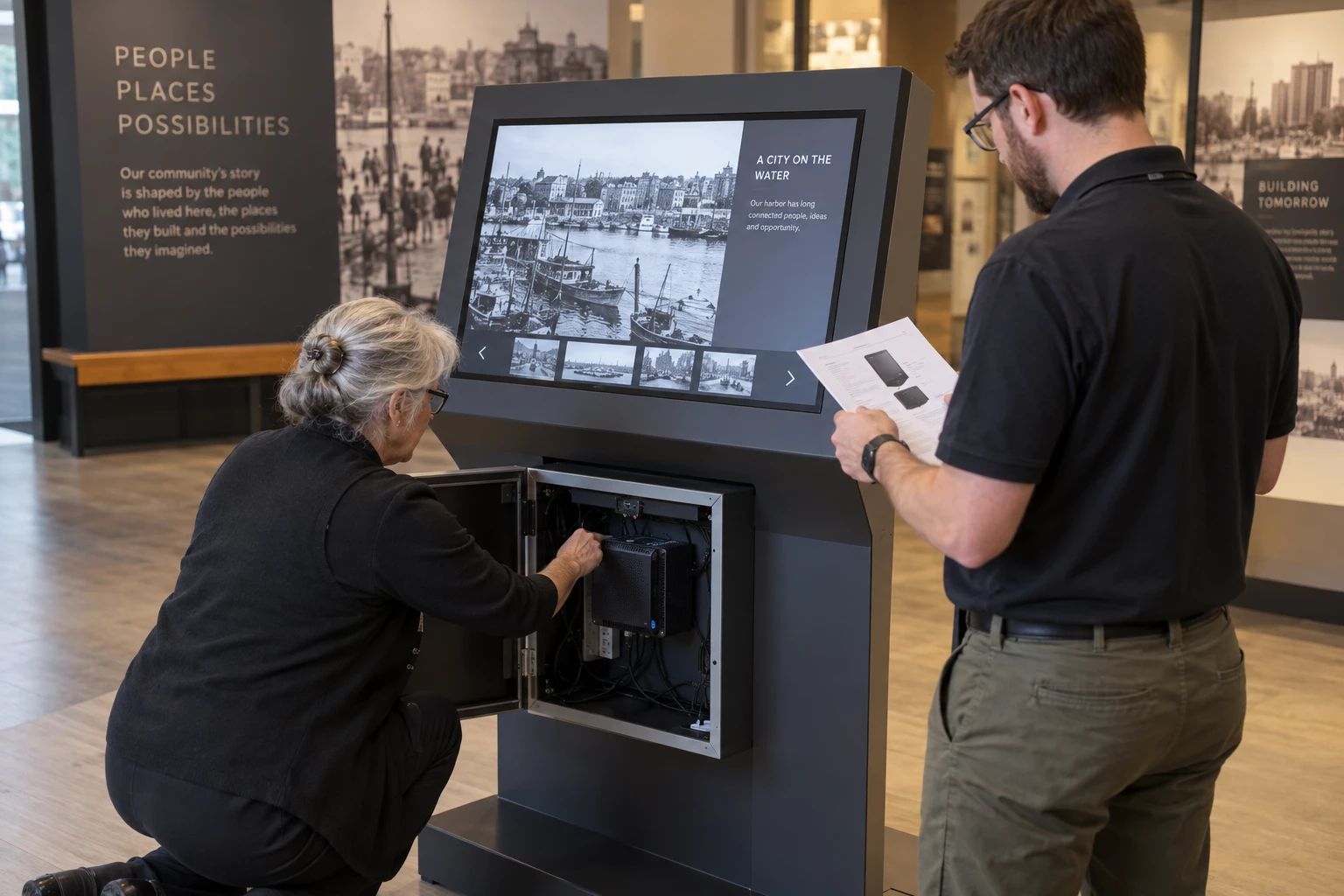
A customer may already own usable players or have an approved hardware standard. Hardware-agnostic signage gives an integrator more compatible options, but each proposed device still needs to match the platform and workload.
What Hardware-Agnostic Means
Hardware-agnostic digital signage software supports multiple compatible hardware platforms rather than requiring one proprietary device. It does not mean every device in the market will work. Compatibility still depends on supported operating systems, hardware specifications, and software requirements.
Why Integrators Value Hardware Choice
AV integrators design systems around customer needs. A platform that supports multiple player environments lets the integrator choose hardware based on workload, physical installation, budget, IT standards, and availability.
Relate hardware choice to the software-selection guide.
Reuse Existing Customer Hardware
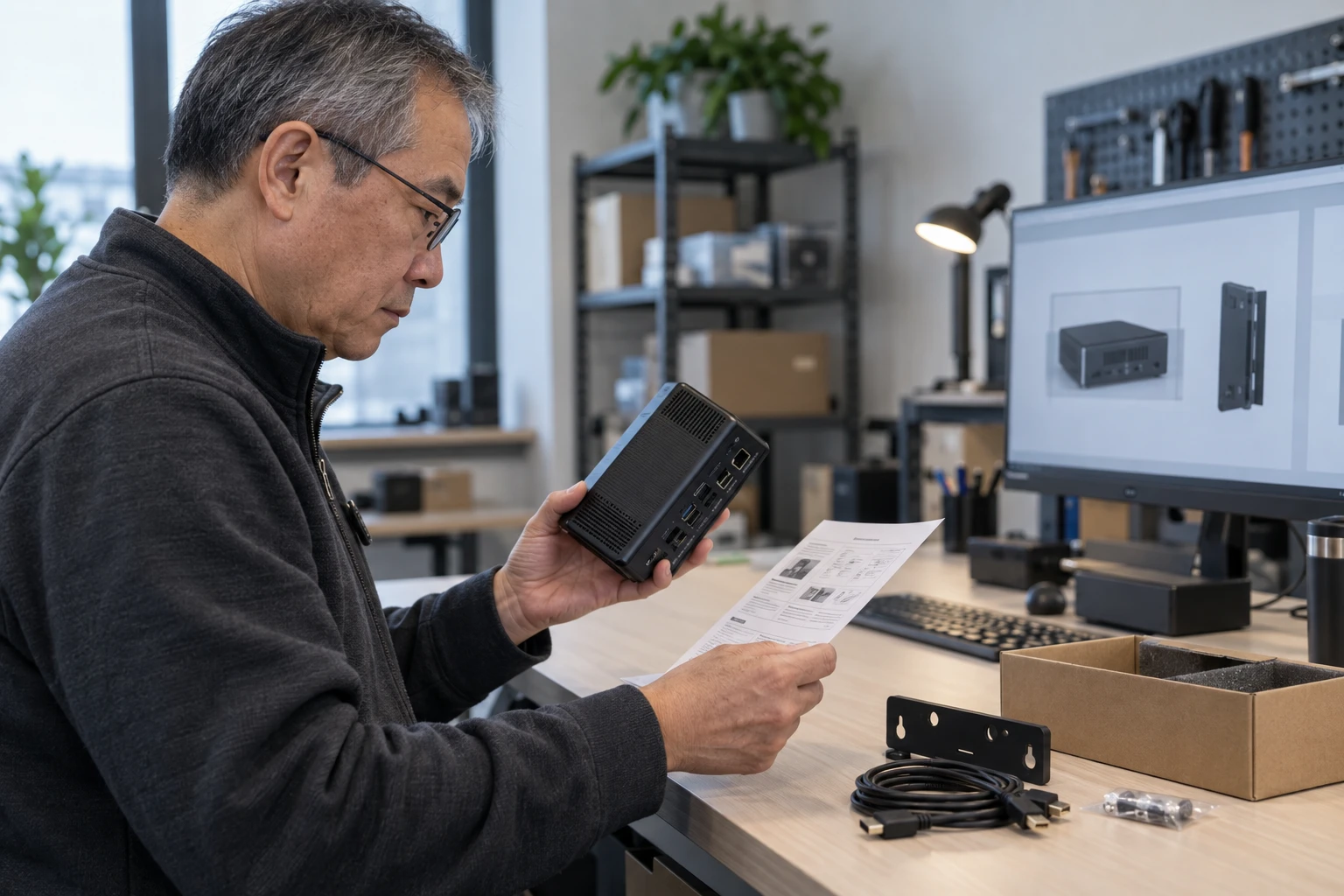
A customer changing signage software may already own usable players or compatible smart displays. Reusing qualified hardware can reduce replacement cost and make a migration easier to sell.
Control Project Economics
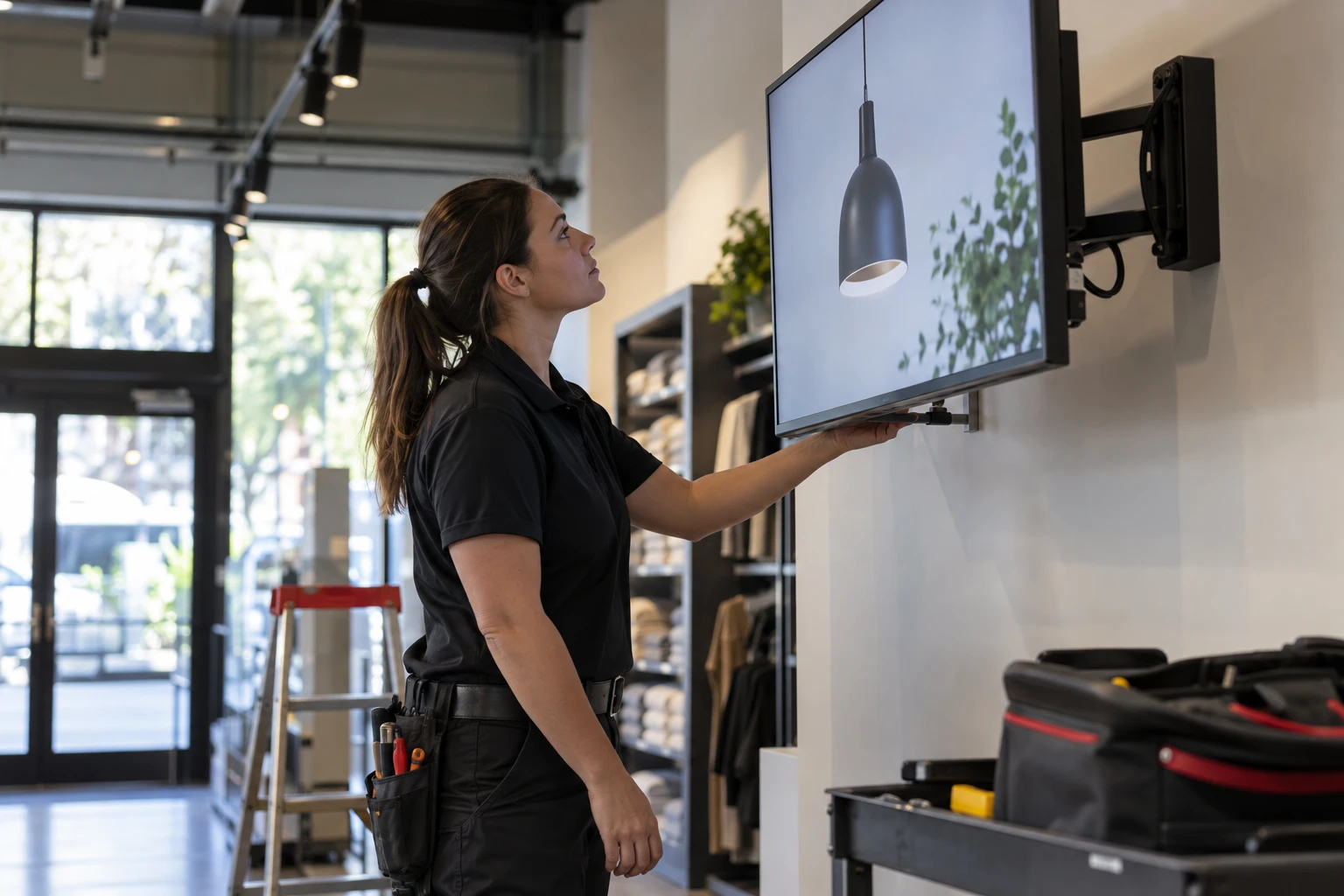
Hardware choice affects equipment cost, installation, margin, replacement, and service. When software dictates one proprietary player, the provider has less control over those economics.
Reduce Dependence on One Hardware Vendor
Models are discontinued and supply conditions change. Multiple supported hardware paths give providers alternatives when a preferred device is unavailable.
Common Player Environments
Digital signage can run on Android, Windows, Linux, Raspberry Pi, supported system-on-chip commercial displays, Apple TV, and other environments depending on the platform. Each has different strengths and should be matched to the project.
See how the main player types differ.
Hardware Still Matters
Flexible software does not make hardware specifications irrelevant. Processor, memory, storage, network interfaces, video output, thermal design, firmware, and commercial support still affect performance.
Replacement and Lifecycle
A player may need replacement years before the display. Software that supports multiple compatible options can make it easier to select a current replacement without redesigning the whole signage system.
Standardization Still Helps
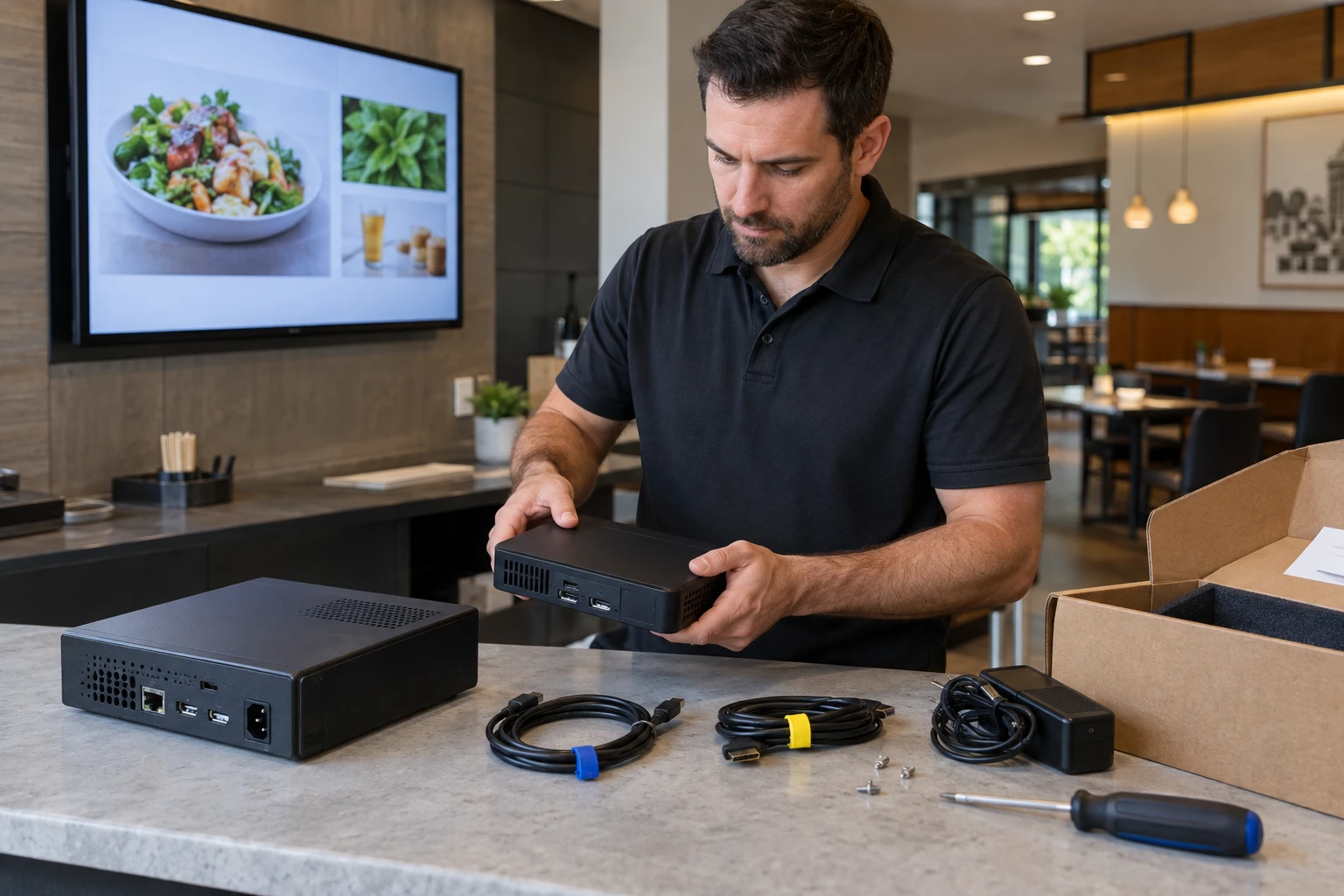
Hardware freedom does not require supporting dozens of random devices. Many integrators create a small approved lineup for standard, performance, and specialized deployments while retaining alternatives for customer requirements.
Use the operating-system comparison when defining a preferred lineup.
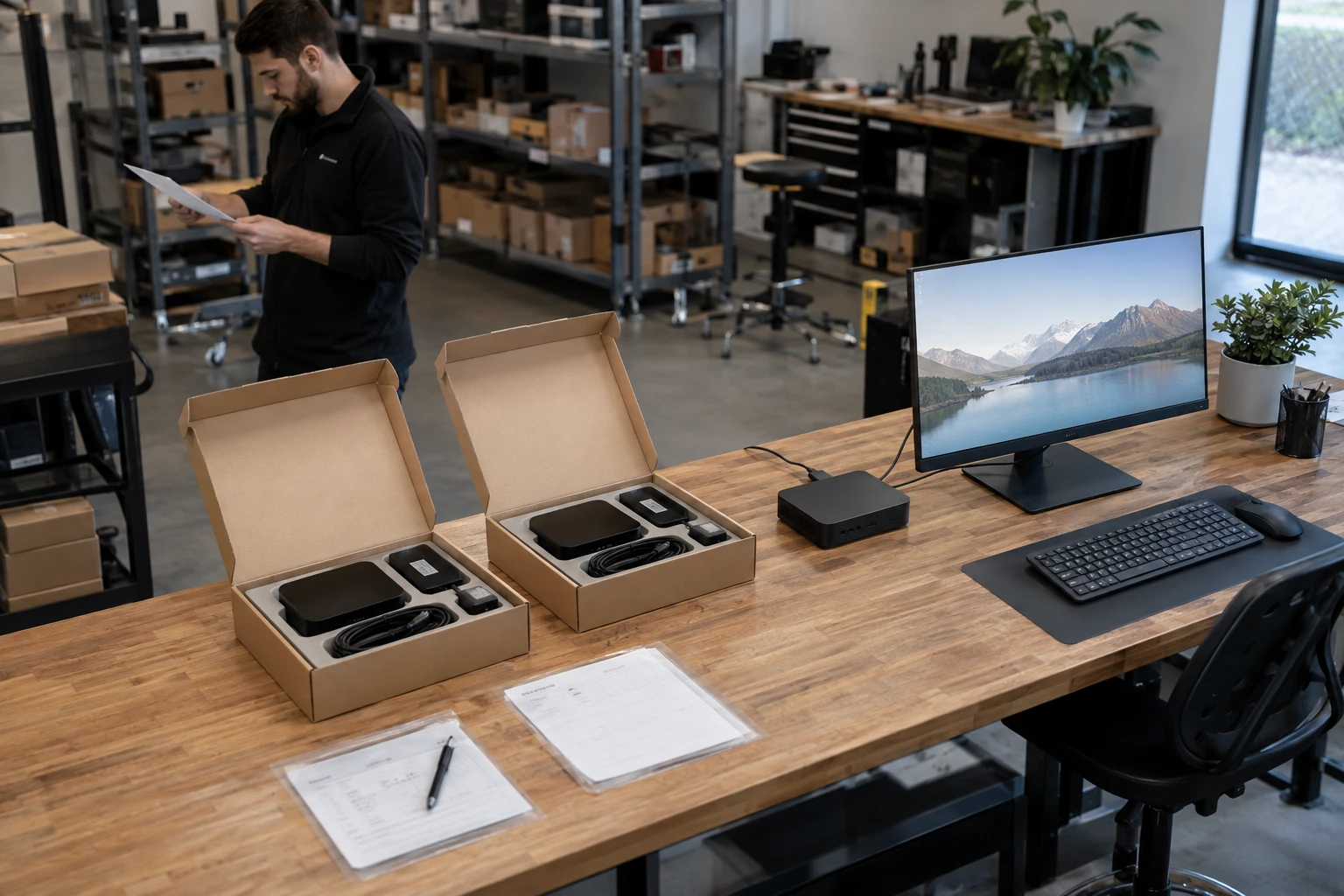
Margins and Service
A reliable hardware strategy can reduce support calls and give the provider more control over equipment pricing. The lowest-cost player is not always the lowest-cost device to own.
Taking Over Existing Networks
Hardware flexibility can be especially useful when winning a customer from another signage provider. If compatible devices can remain, the customer may be able to change software without replacing every screen-side component.
Zoney Enterprise
Zoney supports multiple compatible player environments including Android, Windows, Linux, Raspberry Pi, WebOS, Tizen, Apple TV and Amazon Digital Signage Stick. Providers can evaluate compatible existing devices or preferred players; confirm models and versions with Zoney. Schedule a call with Zoney to discuss a hardware strategy for your signage offering.